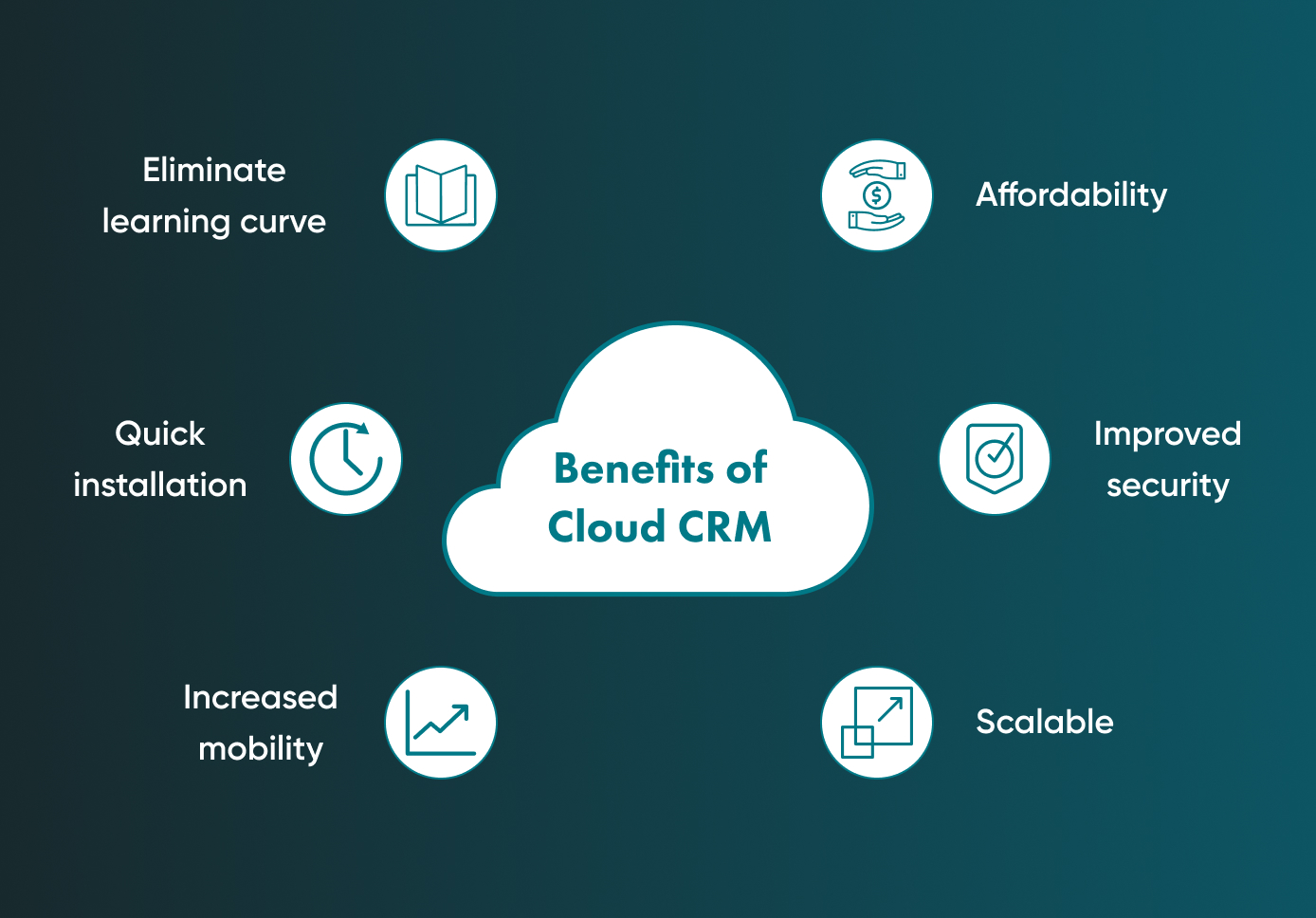
In today’s digital-first business landscape, agility, accessibility, and efficiency are no longer optional—they’re essential. As customer expectations continue to rise, companies must adopt tools that enable them to build stronger relationships, streamline processes, and scale quickly. One such tool that has become indispensable is the cloud-based CRM (Customer Relationship Management) system.
Unlike traditional on-premise CRM software, cloud-based CRM platforms operate entirely online, offering real-time access, seamless integration, and greater flexibility. In this article, we explore the top benefits of a cloud-based CRM system and why it is the smart choice for modern businesses seeking to stay competitive and customer-centric.
1. Anytime, Anywhere Accessibility
A cloud-based CRM system is hosted on remote servers and accessible via the internet. This means your teams can log in from:
- Any device — laptops, tablets, or smartphones
- Any location — office, home, on the road, or even overseas
- Any time — 24/7 access ensures continuous business operations
This level of accessibility is a game-changer for businesses with remote teams, traveling sales reps, or global clients. It empowers employees to work from anywhere without losing productivity or visibility.
2. Lower Upfront Costs and Reduced IT Burden
Unlike traditional CRM systems that require expensive hardware, licenses, and internal IT support, cloud-based CRMs offer:
- Subscription-based pricing models (SaaS)
- No hardware installation or maintenance
- Automatic updates and patches
- Reduced need for in-house IT teams
This model significantly reduces capital expenditure and makes powerful CRM solutions affordable for small and medium-sized businesses while freeing up internal resources for strategic tasks.
3. Seamless Integration with Other Tools
A modern cloud CRM is designed to integrate effortlessly with other business systems, including:
- Email platforms (e.g., Gmail, Outlook)
- Marketing automation tools (e.g., Mailchimp, HubSpot)
- ERP and accounting systems
- Customer support software (e.g., Zendesk, Freshdesk)
- Communication platforms (e.g., Slack, Teams)
These integrations break down data silos and create a centralized view of customer interactions, ensuring that every team—from sales to support—works with up-to-date and synchronized information.
4. Real-Time Data and Insights
With a cloud-based CRM, all data is stored and updated in real time. This means:
- Sales reps see up-to-the-minute lead activity
- Marketers track campaign performance instantly
- Managers view accurate dashboards and reports
Real-time data improves decision-making, enhances agility, and allows for proactive engagement based on the most current customer behavior.
5. Enhanced Collaboration Across Teams
When everyone is working on the same cloud platform:
- Sales teams can update deal stages instantly
- Support teams can see previous customer interactions
- Marketing teams can analyze which leads converted
- Executives can monitor KPIs across departments
This shared access breaks down communication barriers and creates a collaborative environment, leading to better service and faster resolutions.
6. Scalability and Flexibility
As your business grows, your CRM should grow with you. Cloud-based CRM platforms offer:
- Flexible pricing tiers based on user count and features
- Customizable modules and workflows
- Add-on functionalities for sales automation, analytics, customer support, and more
Whether you’re a startup or a large enterprise, a cloud CRM can adapt to your needs—without disruptive migrations or downtime.
7. Improved Security and Data Protection
Leading cloud CRM providers invest heavily in enterprise-grade security, including:
- Data encryption (in transit and at rest)
- Role-based access controls
- Regular security audits and compliance (GDPR, HIPAA, etc.)
- Automatic backups and disaster recovery protocols
This level of security often surpasses what most businesses can implement on their own. Your customer data stays protected, confidential, and compliant with industry standards.
8. Faster Implementation and Time-to-Value
Traditional CRM systems can take weeks or even months to deploy. Cloud CRMs, on the other hand:
- Are ready to use within hours or days
- Come with pre-configured templates and drag-and-drop interfaces
- Offer extensive onboarding resources and customer support
This fast setup means you’ll start seeing results sooner—improving ROI and accelerating your path to customer-centric transformation.
9. Automatic Updates and Innovation
One of the most overlooked advantages of a cloud-based CRM is the continuous improvement it offers. Vendors roll out:
- New features without requiring manual updates
- Bug fixes and enhancements seamlessly
- AI and machine learning tools for smarter automation and predictions
You always have access to the latest innovations without lifting a finger—keeping your business ahead of the curve.
10. Better Customer Experience
Ultimately, a CRM exists to serve your customers better. With the power of a cloud-based system, you can:
- Respond faster to inquiries
- Personalize communication and offers
- Track and resolve issues more efficiently
- Understand customer behavior and anticipate needs
The result? A more responsive, informed, and delightful customer experience that builds trust and drives loyalty.
Cloud CRM Use Cases Across Industries
| Industry | Use Case |
|---|---|
| Retail | Track customer purchase history and send targeted promotions |
| Healthcare | Manage patient records, appointment reminders, and follow-ups |
| Finance | Monitor client portfolios, document compliance, and automate reports |
| Real Estate | Follow up on property inquiries, automate listings, and manage leads |
| Education | Engage prospective students, manage alumni relationships, and automate admissions |
Cloud CRMs are not one-size-fits-all—they can be customized to fit your business model and workflows across virtually any industry.
Popular Cloud-Based CRM Solutions
Some of the most trusted cloud CRM platforms include:
- Salesforce – Enterprise-level features with powerful integrations
- HubSpot CRM – Free and user-friendly for growing businesses
- Zoho CRM – Affordable with extensive customization options
- Pipedrive – Sales-focused with visual pipelines
- Freshsales – AI-powered CRM with automation and analytics
Each offers cloud-native functionality designed to boost productivity, collaboration, and revenue.
Conclusion
Switching to a cloud-based CRM system is more than a technical upgrade—it’s a strategic move toward agility, scalability, and customer excellence. With benefits ranging from cost savings and flexibility to real-time insights and enhanced collaboration, cloud CRM empowers businesses to stay competitive and responsive in an ever-evolving marketplace.